i test rode a fastlane today. very tempting !!! here's a summary of my quandary on the pros and cons of this bike and my current e-road bike.
now i have a major dilemna!
i still have my s-works aethos, which fits me like a glove and rides like air, but i can't ride it on any interesting rides any more due to the absolute need to keep my HR <110 and average 90-95. OK for flats, not for hills. so i mostly ride my scott addict eRide, which is a nice bike, but not perfect. today i test rode the newish scott fastlane, and man, it is nice. here are the pros and cons. help me decide!
addict eRide Pros
- i already have it. it's set up nicely.
- it's a hub drive, so it uses a totally standard crank and i have a matching pair of 12 speed dura ace cranks with matching 4iiii dual sided power meters. obviously i use the same HRM, same head unit (phone), so i can jump back and forth between the aethos and this one with completely comparable metrics/stats, and i really like the 4iiii units
- it really looks just like a road bike. the bottom bracket area is totally standard, standard cranks, small downtube, close inspection reveals that the rear hub is bigger than you'd expect but still much smaller than the cassette
addict eRide Cons
- the electronics are getting fritzy, and it's out of warranty. about one in every 10 or so motor engagements (i ride motor off until it gets steep enough to need it, then turn it on) the motor doesn't come on, it flashes red, then turns off after a few tries it works.
- the bottom bracket creaks and pings in a very annoying way sometimes
- the motor is not silent. not horrible, but i can hear it, it harshes my smooth buzz and flow, and i'm sure other riders can hear it too
- it's a hub drive, so it's not super efficient going up very steep hills, where the wheel (and thus motor) speed drops
- the control to change modes is on the top tube, not the best, especially when it's not working right
scott fastlane pros
- slightly lighter - 22lb vs 24lb.
- the motor is damn near silent. i rode it at full power at 25mph on a flat and at 10mph up a 10% hill, and while it didn't sound quite like a normal bike, there was nothing you'd identify as "that's a motor" sound
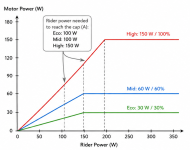
- since it's a mid-drive, motor speed matches rider cadence and it's able to deliver full power going up a hill slowly, if needed. within reason. it's a low power bike (200w max) but that's perfect, i never need that kind of assist. more like 100.
- presumably it would work perfectly and be under warranty AND NEW BIKE DAY
- the drive unit is integrated into the di2 buttons on the hoods, so nice
- there's no top tube display or control, it's got some tiny lights in the bar ends. super tight and clean.
- this doesn't really matter but it's a class 3 bike, addict is class 1 so if i wanted to really haul ass (on a commute type ride maybe) there's assist between 20 and 28mph.
scott fastlane cons
- biggest con : since it's a mid drive, it doesn't use standard cranks. the 2x front ring and cranks are not shimano standard, and there are no power meter arms available. power is really important to me, so i'd have to switch to power pedals, and i ride speedplay. their power pedals are OK but not amazing.
- i don't love the color that the dura ace model comes with - it's a glossy, metallic silver, pretty color but too bling for me
- the mid drive drive unit is very small, but not so small that the bottom bracket doesn't look a bit e-bike. it's very sculpted and has a cut-off profile on the non drive side. the addict eRide is stealthier and more beautiful, IMO
- the zipp 353 NSW wheels have that crazy scalloped pattern, which seems to generate a sort of harmonic "whoosh" sound when riding... they're very high end wheels but i don't love the look. the shop said they'd swap them for something i like with a 1k credit, so not a huge deal
- $10k plus outlay, then the hassle of getting my addict completely fixed and sold. this is definitely NOT an N+1 situation
View attachment 210496
it's a tough call! one approach is perhaps to get whatever gremlins the addict eRide has worked out, and then decide, since i'd have to do that anyway to sell it.


road.cc