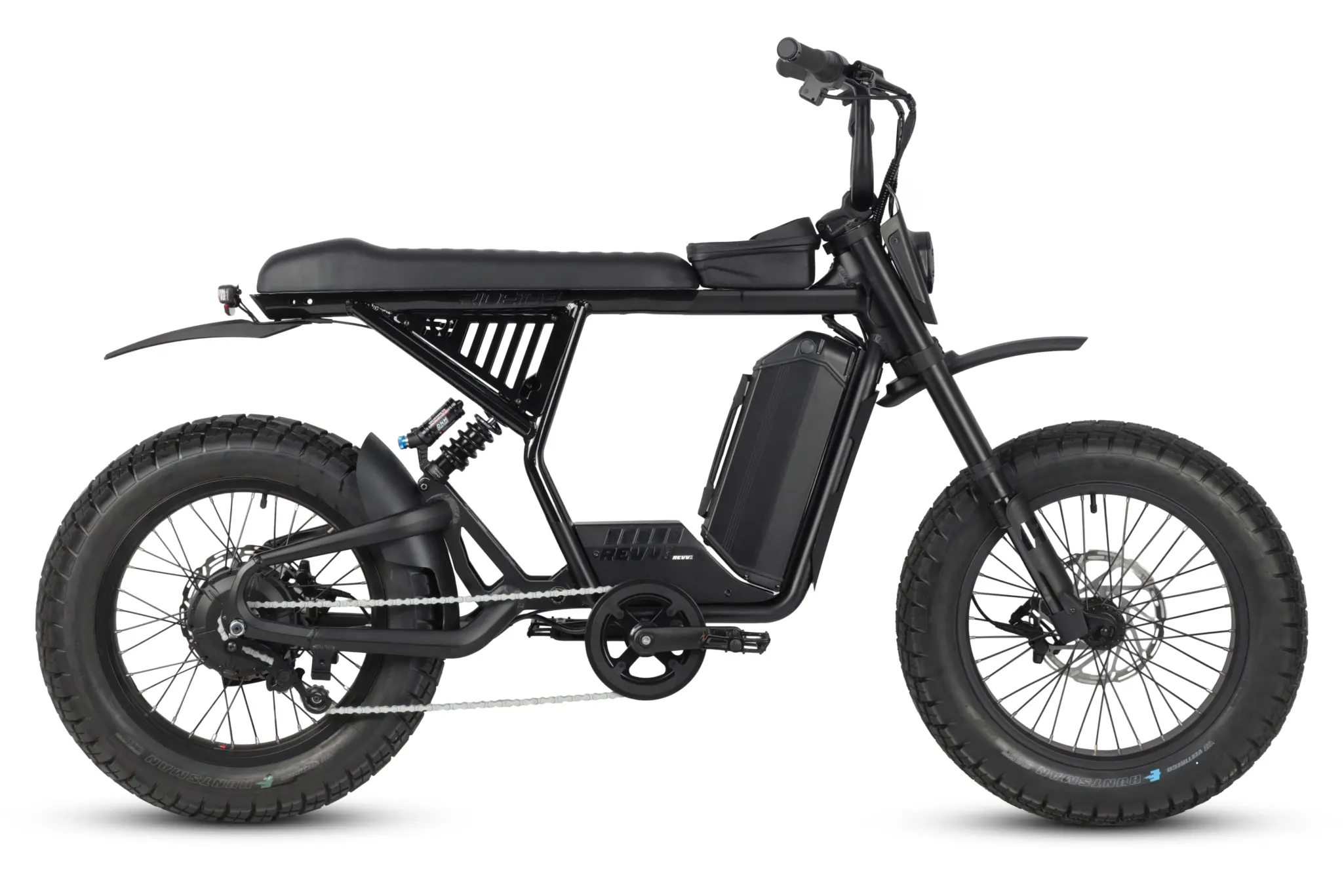
Semi-solid state batteries are coming to the e-bike industry – and for real this time

Dave Rocks

Well-Known Member
Region
Canada
City
MISSISSAUGA

What it means for riders

If the early claims hold up in real-world use, riders could see several tangible improvements.

First is longevity. A battery that lasts 2–3 times longer fundamentally changes ownership. Instead of planning for a costly replacement after a few years, riders could realistically keep the same battery for close to a decade.

Then there’s charging. Faster charging without long-term degradation could make e-bikes far more convenient for daily use. Think less overnight charging and more “top it off while you grab lunch” type of usage.

Cold-weather performance is another huge win, especially in regions where winter riding has always meant compromised range. A battery that holds onto more of its capacity in freezing temperatures makes e-bikes more viable year-round transportation, and more than just fair-weather tools.

And finally, safety. Reducing reliance on flammable liquid electrolytes could significantly lower the risk of thermal runaway events – something that has become an increasingly important issue as e-bike adoption grows in dense urban areas.

semi-solid-state-batteries-are-coming-to-the-e-bike-industry

 

What it means for riders

If the early claims hold up in real-world use, riders could see several tangible improvements.

First is longevity. A battery that lasts 2–3 times longer fundamentally changes ownership. Instead of planning for a costly replacement after a few years, riders could realistically keep the same battery for close to a decade.

Then there’s charging. Faster charging without long-term degradation could make e-bikes far more convenient for daily use. Think less overnight charging and more “top it off while you grab lunch” type of usage.

Cold-weather performance is another huge win, especially in regions where winter riding has always meant compromised range. A battery that holds onto more of its capacity in freezing temperatures makes e-bikes more viable year-round transportation, and more than just fair-weather tools.

And finally, safety. Reducing reliance on flammable liquid electrolytes could significantly lower the risk of thermal runaway events – something that has become an increasingly important issue as e-bike adoption grows in dense urban areas.

semi-solid-state-batteries-are-coming-to-the-e-bike-industry

Interesting indeed. I've been expecting/waiting for this. Wonder if Giant will offer retrofit batteries in this format...
 
strange, none of those are really major benefits to me - i’ve never had a well cared for battery die from cycles, have to be replaced, explode, etc. and i don’t ride in a cold climate,

but less weight per kwh would be a HUGE benefit!
 
strange, none of those are really major benefits to me - i’ve never had a well cared for battery die from cycles, have to be replaced, explode, etc. and i don’t ride in a cold climate,

but less weight per kwh would be a HUGE benefit!
I'm all for the industry converting to a less combustible format. No problems here either, but if the industry had this format when we started there would be far fewer fires.
 
Ride1Up is advertising a semi solid state battery in their new Revv-1 bike, I saw an advertisement for it the other day. I'm not sure what "semi solid state" means but I guess it a step in the right direction.
 
Toyota are currently spending $10 Billion on EV battery tech, mostly for SSB with Chinese partners. This after they finally got rid of Akio Toyoda the former petrol loving CEO in 2023 and are now trying to catch up in EVs before they lose the entire Asian car market to BYD Geely etc.
 
RIght now, you can get LFP cells and have the fire safety. Not too expensive, but a big weight penalty,

I'm not sure solid state is available as bare cells. I can buy sodium cells, but the 18650 size are pretty low capacity, about 37% of a good Li-on. New 21700's are 60% of Li-ion, but are $20/cell. In hindsight, if I burned my houise down, paying 750-900 instead of $150 for cells is OK. I think the sodium will soon take off in sales for power banks useable on airlines,
 
strange, none of those are really major benefits to me - i’ve never had a well cared for battery die from cycles, have to be replaced, explode, etc. and i don’t ride in a cold climate,

but less weight per kwh would be a HUGE benefit!
If you ever live in a city with apartments, you'll see how important it is to have a battery that won't explode on you.

Some coop apartments won't let you have an ebike in the building period, due to the fire danger.

This will change everything for apartment dwellers.
 
If you ever live in a city with apartments, you'll see how important it is to have a battery that won't explode on you.

Some coop apartments won't let you have an ebike in the building period, due to the fire danger.

This will change everything for apartment dwellers.
It won't change anything for apartments that already ban ebikes. Not for many years anyway. These batteries are safer, but can still catch fire and there are still millions of regular lithium batteries out there. And apartments won't differentiate by what type of battery is in the ebike. They will just keep banning all ebikes because it is easier to enforce.
 
If you ever live in a city with apartments, you'll see how important it is to have a battery that won't explode on you.

Some coop apartments won't let you have an ebike in the building period, due to the fire danger.

This will change everything for apartment dwellers.

I’ve lived in multi-story multi-family buildings in the densest parts of San Francisco for the entire time I’ve owned and ridden e-bikes… if you buy quality bikes from reputable, accountable manufacturers and treat them even vaguely well you have no problems.

Solid state is going to be amazing, but you don‘t need it to be a responsible urban e-bike user.
 
Back