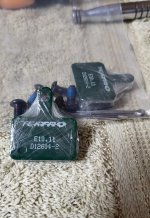
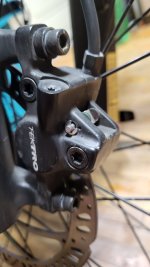
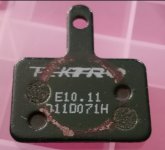
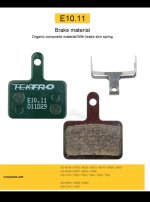
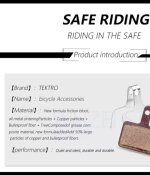
Now I remember. I bought semi-metallic because I the Tektro pads on my Abound seemed different from those on my 2 Rad bikes, even though they were all marked E10.11, like yours. For one thing, the E10.11 pads on the Rads could soften in prolonged high humidity. They lost braking power, wore very fast, and left bumps on disks.
If you've got disc brakes on your bike, then you'll need to make an important decision as to which type of brake pad you wish to use: organic vs sintered brake pads. But what are sintered brake pads? And what are the advantages and disadvantages of sintered brake pads when compared to organic...

biketips.com
This page says resin pads lose their grip in rain. I had no trouble in rain, only in periods of wet nights. It hasn't been a problem with the E10.11 pads on the Abound or the replacement resin pads on the Radmission.
It says resin pads produce less heat. I doubt that. A certain amount of braking will produce a certain amount of heat. It says sintered pads need to warm up to have a good coefficient of friction. That may explain why when I've tested semi-metallic pads, they worked poorly for the first couple of tries. That points to resin for me, due to visual obstructions in town. I'll ride slowly with fingers on levers because I may not have milliseconds to spare.