Beeping from a smoke alarm abruptly woke Matt Privratsky. Down in the dining room, he found a single e-bike battery on a metal shelf, smoldering in an orange glow. It looked like magma, and the flames spreading from it quickly lit up the darkness.
By the time the St. Paul Fire Department arrived, about seven minutes later, the windows in the dining room had blown out from the intense heat, Privratsky said. He and his wife and their two dogs were able to escape, but most of their belongings were destroyed by the fire in September.
Privratsky believes the blaze originated in a Rad Power Bikes battery, the same one identified as a fire hazard by the U.S. Consumer Product Safety Commission (CPSC) in a public warning last week. The commission urged consumers to immediately stop using certain battery models sold by Rad Power Bikes.
Nationwide, CPSC recorded at least 31 fires from the Rad Power Bikes’ batteries, including 12 reports of property damage totaling $734,500 (these figures do not include the fire at Privratsky’s home). In some of those incidents, the battery was not charging or in use when it caught fire, according to CPSC.
Privratsky, a former interim St. Paul City Council member, said he has recommended Rad Power e-bikes to friends and family in the past. After reading the warning, he’s telling them to check their batteries, especially because his was not charging when it caught fire.
The investigator’s preliminary finding attributed the fire to a malfunctioning lithium-ion battery, according to a spokesman from the St. Paul Fire Department.
“It’s frustrating that so many people will have to go out and get rid of these batteries because I’m still a really strong supporter for what e-bikes can do to expand mobility and make non-driving realistic for more people,” Privratsky said.
Rad Power Bikes said they could not comment on Privratsky’s case. The public warning said the batteries affected are HL-RP-S1304 or RP-1304 models, ones that Privratsky said he owned. In a statement issued by the company following the warning, Rad Power Bikes said the rate of incidents are “a fraction of 1 percent.”
“Rad had the batteries re-tested by third-party labs as part of this investigation; the batteries passed these tests again,” it said in another statement. “Rad is disappointed that it could not reach a resolution [with the commission] that best serves our riders and the industry at large.” The company also said its semi-integrated batteries and safe shield batteries were not subject to the warning.

Two Rad Power Bikes, pictured in New York in 2020. (MERON TEKIE MENGHISTAB/The New York Times)
It could be the end for the company, which was once the largest e-bike retailer in the county, according to GeekWire. Rad Power Bikes issued a Worker Adjustment and Retraining Notification (WARN) notice for 64 jobs in the state of Washington in November. Among those jobs were its CEO and CFO positions.
In its statement, CPSC said Rad Power Bikes will not agree to an acceptable recall and the company is unable to offer replacement batteries or refunds to all consumers.
The batteries were sold directly to consumers on the company’s website, at Best Buy stores and at independent bike shops across the nation, according to CPSC.
Rad Power Bikes was one of the most popular e-bike brands both for its sleek look and low price, said Erik Saltvold, owner and founder of Erik’s Bike Shop. But Saltvold said he chose not to sell or fix them.
“We don’t service Rad Power and never have because they don’t fit our quality profile of what we could safely service and restore,” Saltvold said.
As part of Minnesota’s two-year e-bike rebate program, 14 rebates were approved for Rad Power Bikes, totaling about $22,354.26, according to state records. Replacement batteries were sold for $550, and e-bikes ranged between $1,500-$2,000.
Privratsky’s case is at least the third fire caused by an electric recreation vehicle battery in recent years in St. Paul. In 2024, a fire originating in an e-bike broke out inside a St. Paul apartment building, according to UL Standards and Engagement, a nonprofit dedicated to developing safety standards. In 2023, a battery from an electric scooter caused a fire at Catholic Charities in St. Paul.
Batteries can catch fire even when they are not charging because of a phenomenon known as thermal runaway. It’s typically a result of damage or exposure to extreme temperatures, hot or cold, and can occur hours or days later. Thermal runaway happens when the lithium-ion cell enters a self-heating state that goes out of control, according to the safety nonprofit.
UL Standards and Engagement is pushing for Congress to pass the Consumer Standards for Lithium-Ion Batteries Act that would require new safety standards for lithium-ion batteries for e-bikes, scooters and other recreational vehicles.
Two months out from the fire, Privratsky said he’s taking a break from e-bikes. He says they were lucky they woke up right after the alarm went off, because doing so gave them time to get out before the fire spread to the home.
Saltvold said that although there’s always a risk that a lithium-ion battery can catch fire, the probability significantly decreases when purchasing from a reputable brand known for its quality.
Anyone who purchased an inexpensive e-bike from a direct-to-consumer brand should be wary of their batteries, too, Saltvold said.
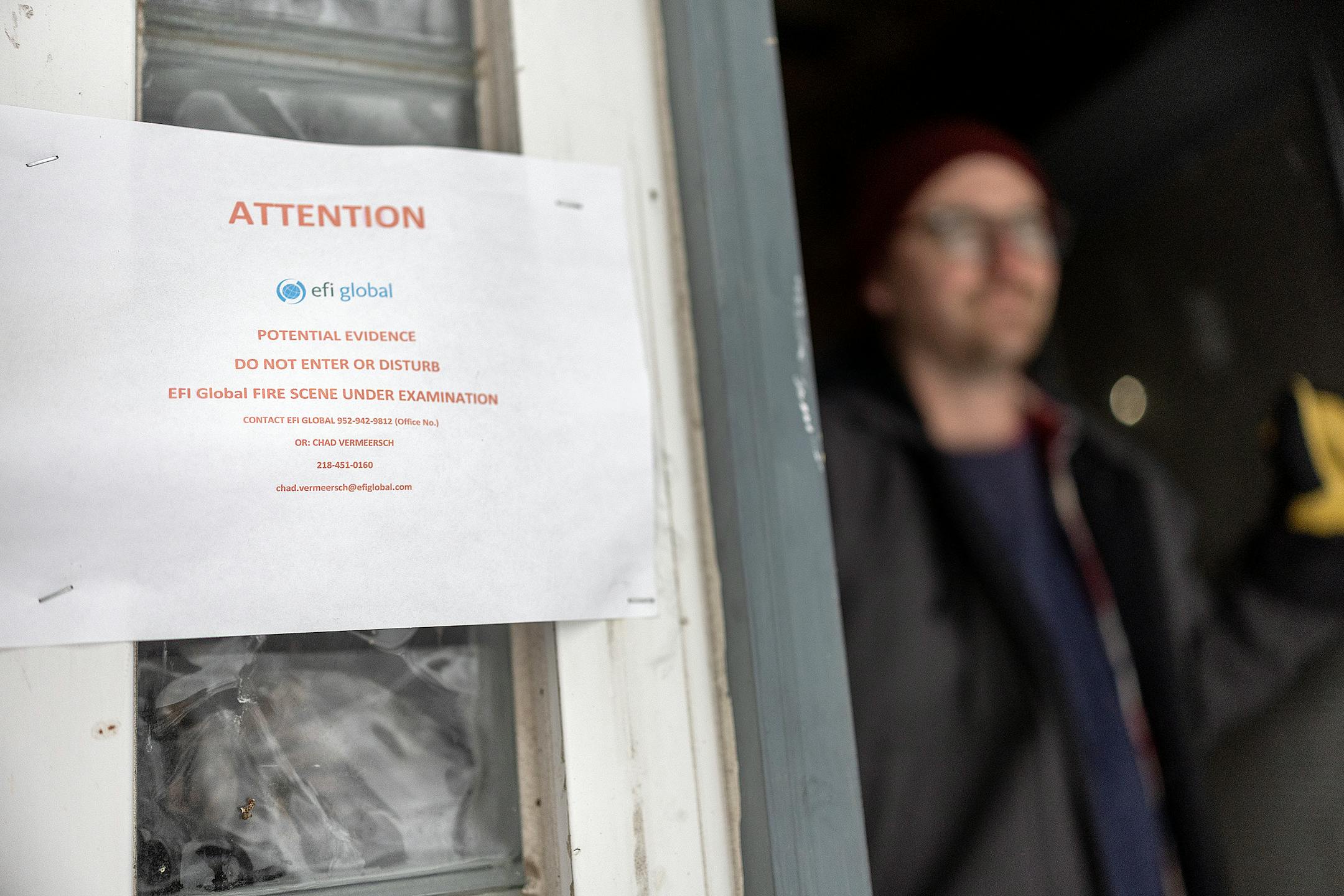
Matt Privratsky in the house where his e-bike battery caught on fire. Privratsky, his wife and their two dogs escaped, but the house was destroyed. (Elizabeth Flores/The Minnesota Star Tribune)
“E-bikes is a fast-growing category, and there’s a lot of consumer-direct brands that aren’t following best practices when it comes to manufacturing, testing, design and all the other things that go into making sure a product is safe and performs well,” he said.
If someone suspects they have a faulty battery or would like reassurance that they are safe, they can store the batteries in fire-resistant bags, he said.