The transition

Yeah. I'd also argue that the war in Ukraine and the war with Iran are both resource wars and our inability to get off of fossil fuels makes wars like those inevitable.
The US does not need any foreign oil. Period. We have plenty. We are not at war for oil. We import foreign oil because the green lobby prevents the building of new refineries that could process American oil more efficiently. Conversions are expensive and would disrupt the market.
 
I maybe need some fossil fuel for the supply chain, but personally I consume less than a quarter pounders' patty weight per year. After it is fried, 30% less. I stopped flying fifteen years ago, and driving cars. I ride bikes for everything, everyday, all year.
 
Its related to the transition, but as usual the big events are hidden from the public by old boys club media.

America is exporting LNG in those giant ships that you never see a picture of.
Screenshot_20260730-083003-673.png

Heres a US ship docking in Greece.

Europe is now importing 60% of its LNG from America, its still imports a lot of the rest from Russia on ships or pipelines.
They claim to be stopping this next year, but Spain are the first to squeal.

Were expanding the one in Milford Haven its Europes largest terminal taking ships from Qatar.

The US is the largest exporter of LNG
And increased its output by 93% in 2025.
The Nord pipeline destruction was never solved, it was some guy in a yacht maybe..who knows.

Europes net zero rhetoric is beyond farcical, its a pantomime laid over a farce, just endless nonsense sold by the state for political leverage.
 
The US does not need any foreign oil. Period. We have plenty. We are not at war for oil. We import foreign oil because the green lobby prevents the building of new refineries that could process American oil more efficiently. Conversions are expensive and would disrupt the market.
That may all be true (or more or less true) but it is irrelevant. Oil is a globally traded commodity and oil companies are not charities like the United Way. If people are willing to pay 300 per barrel in Japan and only 100 per barrel in the states, we will sell oil in Japan and people here can walk. That's how capitalism and free markets work.

Gasoline consumption has been declining in the USA since 2018. Under those circumstances nobody is going to put up $10 billion to build something that will take forty years to pay off without any hard numbers showing anyone will want those products in 2060.
 
Consumption has dropped, but only by 5%, and you had COVID in there, and the aftereffects of remote work exploding. Vacation travel continues to break records. If Chevron could build a refinery in America in 5 years they would start tomorrow. It's the same with nuclear reactors. Too much political headwind.
 
"Only by 5%" is still a drop and makes it harder to justify spending $10 billion to build something that will take decades to pay back. I consider the fact that we aren't building refineries (the last one built in the Untied States went online in 1977) to be the very best confirming evidence that the oil companies for sure know their time is limited.

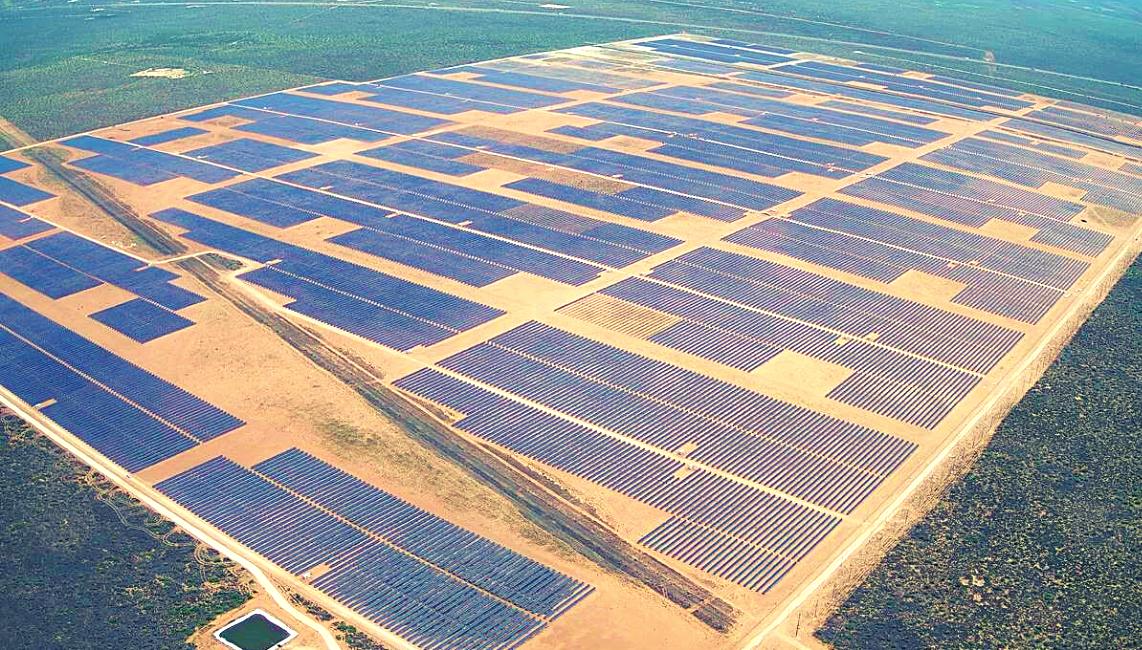
As for nuclear, at this point in time the average time between approval and selling electrons is about ten years for a nuclear plant. For a solar or wind farm it is less than one year. That alone makes solar and wind easier to finance -- because shorter-term loans are less risky and will thus pay lower interest.

That's why there is all the sturm und drang about small modular reactors. Which may or may not be a thing.

Another risk factor that is poorly considered is that if something comes up and you build only half the wind turbines or half the solar panels, you still can sell electricity. It is much, much harder to build half of a nuclear power plant and not just have an abandoned construction site.

All of these things are independent of regulation and opposition to nuclear power and are in fact inherent to what you are building.
 
A lot of people thought fighter aircraft and bombers were obsolete in 1960 because of guided missiles.
A lot of people thought tanks were obsolete in 1975 because of anti-tank guided missiles.

Yet here we are in 2026 with both of those things still existing.
And boots on the ground were supposed be obsolete after Vietnam IIRC ...
 
"Only by 5%" is still a drop and makes it harder to justify spending $10 billion to build something that will take decades to pay back. I consider the fact that we aren't building refineries (the last one built in the Untied States went online in 1977) to be the very best confirming evidence that the oil companies for sure know their time is limited.
There are over 200 years worth of recoverable oil under US territory alone. That's more than enough time to recoup the investment in refineries.

As for nuclear, at this point in time the average time between approval and selling electrons is about ten years for a nuclear plant. For a solar or wind farm it is less than one year. That alone makes solar and wind easier to finance -- because shorter-term loans are less risky and will thus pay lower interest.
Nuclear power plants could be built much faster if politics didn't get in the way. Solar can be built quickly, but wind may or may not. Offshore wind takes much longer. Financing may be available, but plenty of solar and wind companies have gone bust. Out here on the Cape, the Vineyard Sound offshore wind farm built cabling infrastructure through several local beaches, tearing up the landscape, with the promise that we would get more power for the peninsula. They lied and ended up selling the power to CT. Now that company is out of business.

That's why there is all the sturm und drang about small modular reactors. Which may or may not be a thing.

They will be.

Another risk factor that is poorly considered is that if something comes up and you build only half the wind turbines or half the solar panels, you still can sell electricity. It is much, much harder to build half of a nuclear power plant and not just have an abandoned construction site.

All of these things are independent of regulation and opposition to nuclear power and are in fact inherent to what you are building.

Yeah, they're all immune to lobbyists, elections, NGO's, protests, debanking and the like. Sure.
 
Our new prime minister Andy Burnham
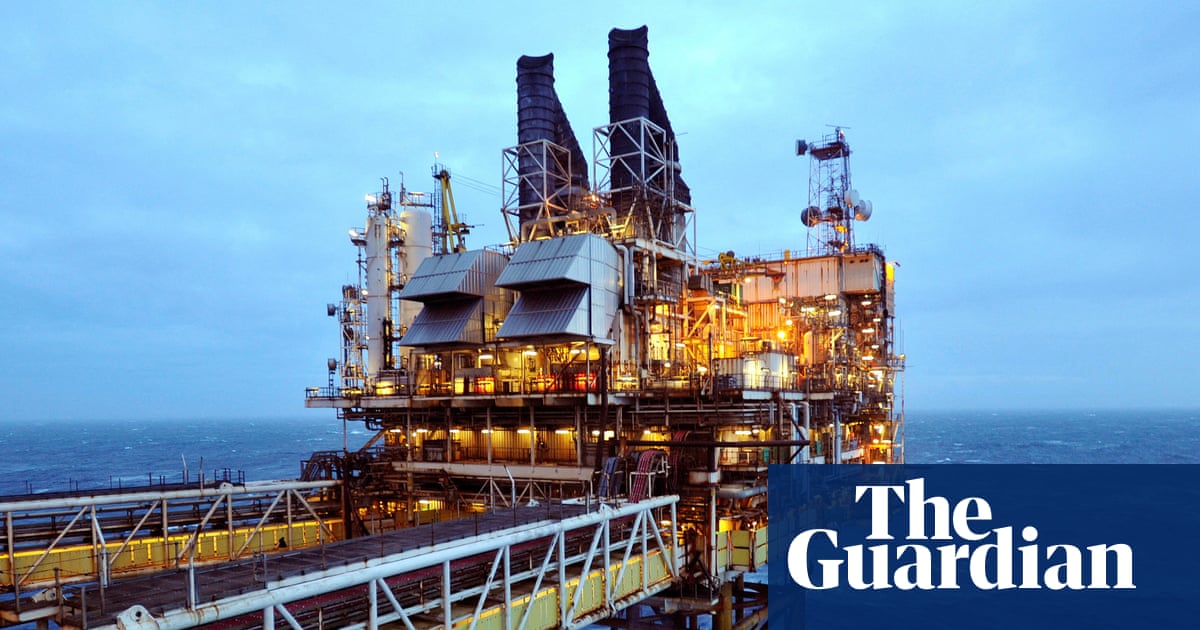
today signalled he's ready to ditch Ed Miliband's Net Zero stance as he admitted Britain 'can't ignore' North Sea oil and gas.
 
Back