Has anyone replaced your Specialized stock Praxis chainring with a newer Praxis chainring? I'm considering this to get better chain retention.
You are using an out of date browser. It may not display this or other websites correctly.
You should upgrade or use an alternative browser.
You should upgrade or use an alternative browser.
Chainrings
- Thread starter davidgoh
- Start date

Stefan Mikes
Gravel e-biker
- Region
- Europe
- City
- Mazovia, PL
Please first tell us what is your chainring BCD and number of holes.Has anyone replaced your Specialized stock Praxis chainring with a newer Praxis chainring? I'm considering this to get better chain retention.
Or, what e-bike model and model year?
Oh sorry... it's Specialized creo sl. The current chainring is Praxis 46T. There are newer Praxis that are better in quality and chain retention. But there are several considerations liked the bolt screws and compatibility.Please first tell us what is your chainring BCD and number of holes.
Or, what e-bike model and model year?
Stefan Mikes
Gravel e-biker
- Region
- Europe
- City
- Mazovia, PL
Is it a 5 bolt chainring? My point is it is not required to use a Praxis chainring at all. Garbaruk or Wolftooth make better chainrings.
I think your chainring is 5-bolt 110 BCD. This and the proper bolts, that's it. Who needs Praxis nowadays?
I think your chainring is 5-bolt 110 BCD. This and the proper bolts, that's it. Who needs Praxis nowadays?
Last edited:

Jeremy McCreary
Bought it anyway
- Region
- USA
- City
- Carlsbad, CA
Replaced my Vado SL 1's 44t Praxis with a 40t Wolftooth to keep up a motor- and knee-friendly cadence of 70+ rpm on steeper local hills.Has anyone replaced your Specialized stock Praxis chainring with a newer Praxis chainring? I'm considering this to get better chain retention.
Did this before taking delivery, so no basis for comparison. But no chain drops in nearly 3,000 mi. The 4-tooth size reduction has also worked out well on the cadence front.
Last edited:
Stefan Mikes
Gravel e-biker
- Region
- Europe
- City
- Mazovia, PL
He rides a road e-bike, and roadies think a little bit differentlyReplaced my Vado SL 1's 44t Praxis with a 40t Wolftooth to keep up a motor- and knee-friendly cadence of 70+ rpm on steeper local hills.
Did this before taking delivery, so no basis for comparison. But no chain drops in nearly 3,000 mi. The 4-tooth size reduction has also worked out well on the cadence front.
 The chainring type is different, too.
An example of a good compatible chainring for Creo SL 1:
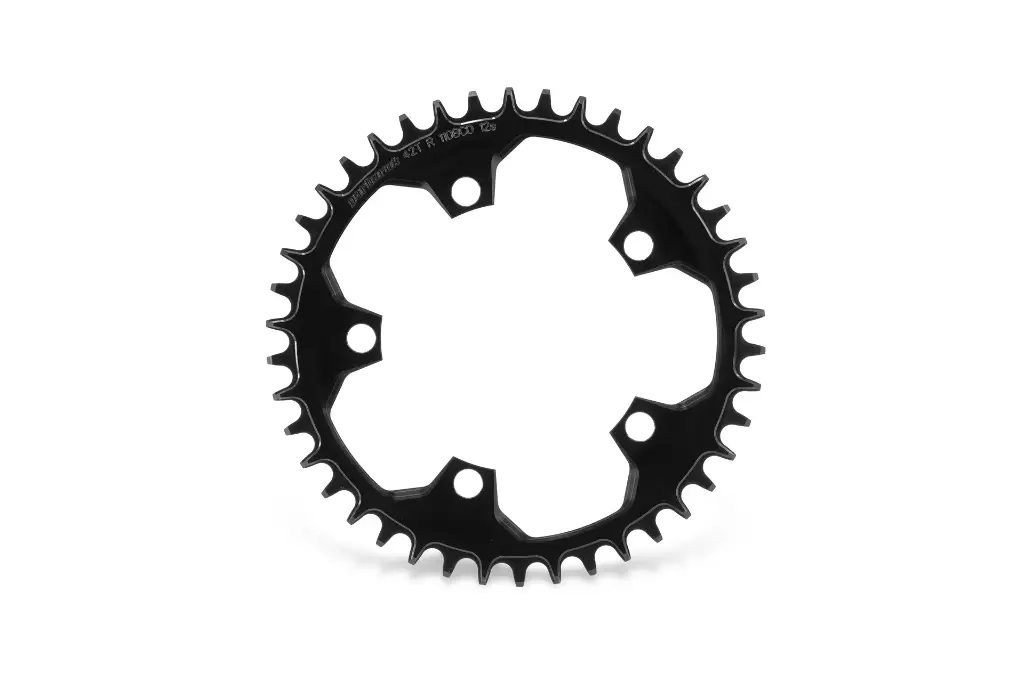
110 BCD (5-bolt) chainring
 garbaruk.com
Here are the bolts:
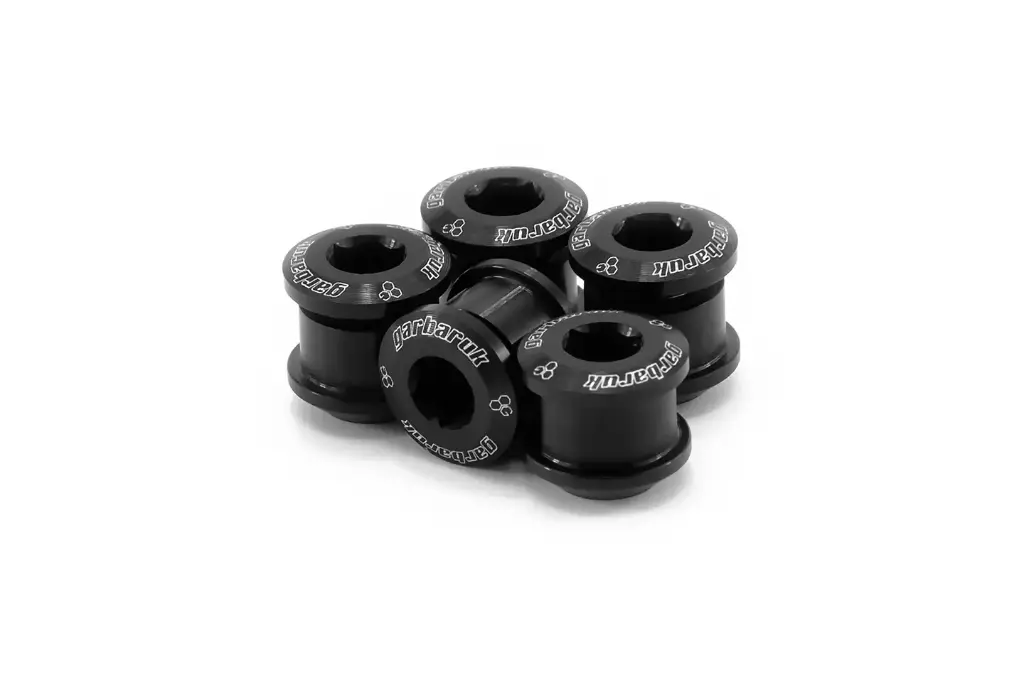
Chainring Bolts Set M8 x 0.75
 www.garbaruk.com
Jeremy McCreary
Bought it anyway
- Region
- USA
- City
- Carlsbad, CA
How so? Roadies aren't concerned about cadence?He rides a road e-bike, and roadies think a little bit differently
Stefan Mikes
Gravel e-biker
- Region
- Europe
- City
- Mazovia, PL
They do pedal on descentsHow so? Roadies aren't concerned about cadence?
All about the speed! Trust me
Stefan Mikes
Gravel e-biker
- Region
- Europe
- City
- Mazovia, PL
I used to mingle with road cyclists, and even was on three coffee rides with them (but it was never a true peloton).
A road cyclist loves a 2x drivetrain with a huge larger chainring. On climbing, they use the smaller ring, which might give the gearing ratio perhaps 1:1 (I'm not an expert here)
What is vital to ride at the peloton exact speed is that the cassette should be spaced 1 tooth apart for the high speed region, so the road cyclist is pedalling at a constant cadence and only does a shift when the peloton speed varies.
It is different for the 1x drivetrain where the roadie has to accept some compromise. Still, a big chainring is a must there. Just to compare: a road bike might come with a 46 or 48T chainring while a typical chainring size for a gravel 1x bike is 38T
A road cyclist loves a 2x drivetrain with a huge larger chainring. On climbing, they use the smaller ring, which might give the gearing ratio perhaps 1:1 (I'm not an expert here)
What is vital to ride at the peloton exact speed is that the cassette should be spaced 1 tooth apart for the high speed region, so the road cyclist is pedalling at a constant cadence and only does a shift when the peloton speed varies.
It is different for the 1x drivetrain where the roadie has to accept some compromise. Still, a big chainring is a must there. Just to compare: a road bike might come with a 46 or 48T chainring while a typical chainring size for a gravel 1x bike is 38T
Jeremy McCreary
Bought it anyway
- Region
- USA
- City
- Carlsbad, CA
I can see that being true for the faster peloton-oriented roadies in flattish Poland, but seriously doubt that it applies to all. Unless you're using a special definition of "roadie" much narrower than the one I'm used to.It is different for the 1x drivetrain where the roadie has to accept some compromise. Still, a big chainring is a must there.
Also seems unlikely for the many roadies I see out and about in very hilly coastal SoCal. I'll grant you that they're likely to run the biggest chainring that their own legs and hills allow. But how big is that?
I'll keep an eye out for the 1x chainrings our roadies choose.
Also, the roadies I see are rarely in large groups at the time, let alone in serious pelotons. Usually solo or with one or two other riders. Do you think they ALL optimize their bikes for peloton use?

stompandgo
Well-Known Member
- Region
- USA
This conversation is amusing.I'll grant you that they're likely to run the biggest chainring that their own legs and hills allow. But how big is that?
I'll keep an eye out for the 1x chainrings our roadies choose.
Also, the roadies I see are rarely in large groups at the time, let alone in serious pelotons. Usually solo or with one or two other riders. Do you think they ALL optimize their bikes for peloton use?
How large 2x front chainrings can be used depends on the gearset. Limits can be pushed (B screw) but shifting suffers. The most common large chainring set I've seen is 40/54 with an 11-34 cassette. That's at the limit of Dura-Ace Di2. The World Tour guys running 56T large chainrings use no small chairing for TT events and a 42T small chainring for flat stages. 1x setups are intended for gravel, not road, except for TT's as described above. The guys I've ridden with using 1x are pedal mashers that want to save weight.
Jeremy McCreary
Bought it anyway
- Region
- USA
- City
- Carlsbad, CA
Certainly amusing in the sense that we're all talking past each other now. What's good for a racer and what's good for the average roadie spotted in my hilly terrain aren't necessarily the same thing.This conversation is amusing.
Stefan Mikes
Gravel e-biker
- Region
- Europe
- City
- Mazovia, PL
Stefan Mikes
Gravel e-biker
- Region
- Europe
- City
- Mazovia, PL
Stomp: Chris, Creo SL 1 was designed as a road e-bike but it had to be 1x for obvious reasons.
(Creo 2 is a gravel e-bike).

I tested a Creo SL (road) in Autumn 2022. I didn't look a roadie because it was freaking cold Any roadie riding a pedal bike was overtaking me It is when you ride a 25 km/h e-bike (The average speed of 23.3 km/h on 56 kms was a laugh!)
(Creo 2 is a gravel e-bike).
I tested a Creo SL (road) in Autumn 2022. I didn't look a roadie because it was freaking cold
Any roadie riding a pedal bike was overtaking me It is when you ride a 25 km/h e-bike (The average speed of 23.3 km/h on 56 kms was a laugh!)
Last edited:
Did you have any issues with the bolt screws when replacing Praxis with Wolftooth?Replaced my Vado SL 1's 44t Praxis with a 40t Wolftooth to keep up a motor- and knee-friendly cadence of 70+ rpm on steeper local hills.
Did this before taking delivery, so no basis for comparison. But no chain drops in nearly 3,000 mi. The 4-tooth size reduction has also worked out well on the cadence front.

mschwett
Well-Known Member
- Region
- USA
I can see that being true for the faster peloton-oriented roadies in flattish Poland, but seriously doubt that it applies to all. Unless you're using a special definition of "roadie" much narrower than the one I'm used to.
Also seems unlikely for the many roadies I see out and about in very hilly coastal SoCal. I'll grant you that they're likely to run the biggest chainring that their own legs and hills allow. But how big is that?
I'll keep an eye out for the 1x chainrings our roadies choose.
Also, the roadies I see are rarely in large groups at the time, let alone in serious pelotons. Usually solo or with one or two other riders. Do you think they ALL optimize their bikes for peloton use?
a lot of road cyclists do in fact want to pedal when going downhill, whether just because it's fun or to keep heart rate steady, not sure. it's not always fastest, as most amateurs can't really put out a lot of power in a deep tuck on the drops, which will affect speed going down a decent grade a lot more than pedaling!
in any case you're absolutely right that road cyclists very much care about cadence, but this is also why the vast majority of road bikes are 2x, to get good range without a giant cassette and the resultant big gaps between gears. i'd say the "most common" gearing amongst new-ish road bikes in coastal california ridden by enthusiastic amateurs or better is 50/34 up front and 11-34 in the back. 52/36 up front and/or 11-30 in the back for the more macho. SRAM's offerings are similar in ratio but do it with a 10t in the back and smaller chainrings. in flat places you won't find the 11-34 much.
it amounts to around 4.6:1 at the top and 1:1 at the bottom. productive pedaling (60-90rpm) from about 5 to 35mph. this is part of why i went from a creo to a 2x e-road bike, you just really don't get the same flexibility in gearing with 1x. SRAMs 10-50 gives you the range, but prioritizes the climbing side and the gaps between the gears at the top end are huge at 15-20% per step. no bueno.
mschwett
Well-Known Member
- Region
- USA
Did you have any issues with the bolt screws when replacing Praxis with Wolftooth?
whether wolf tooth or garbaruk, you need new bolts, which are two piece "sex bolts" that are easily available with the rings. most chainrings aren't threaded like the stock ones.
like these (although you don't need to spend $7/bolt lol)
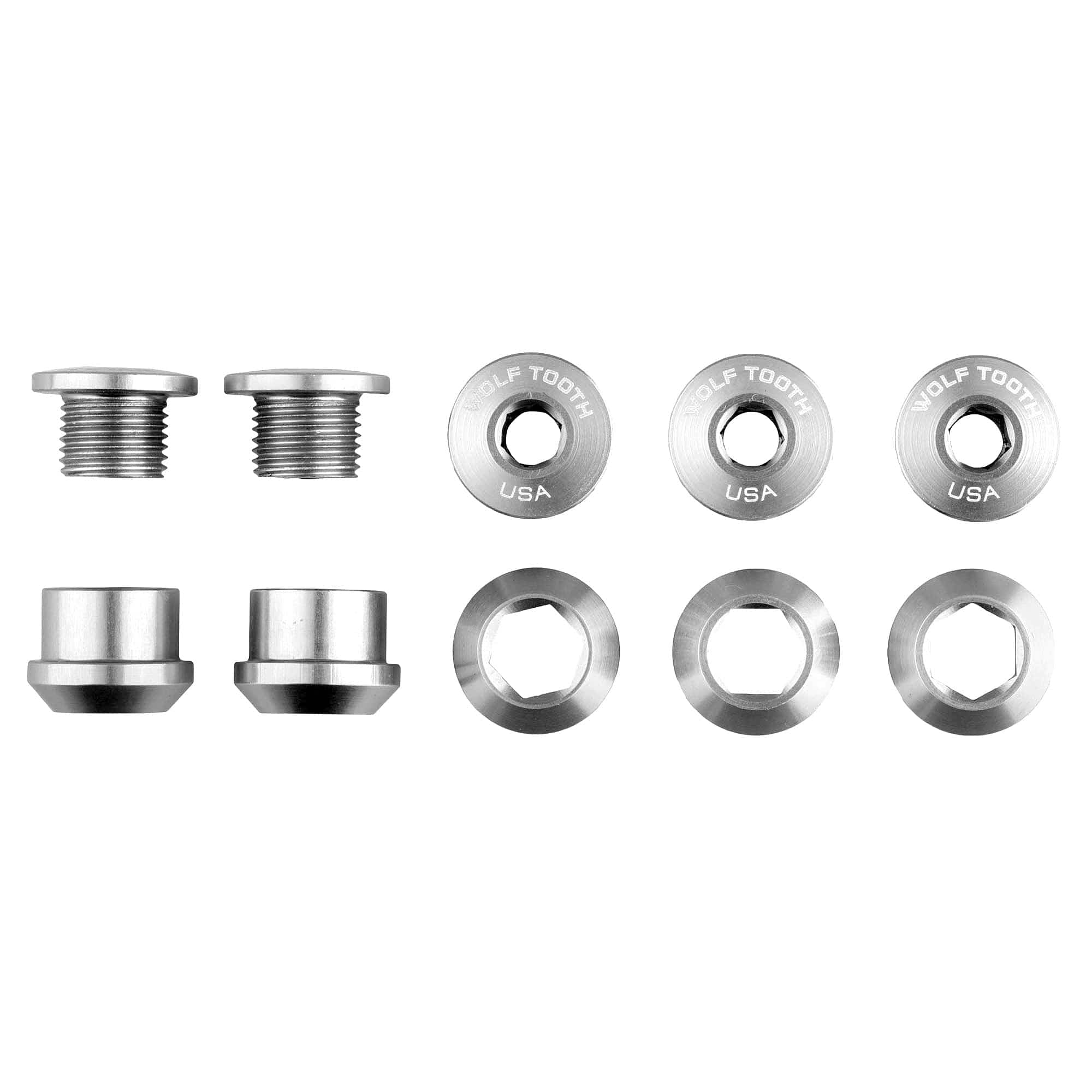
Set of 5 Chainring Bolts+Nuts for 1X
Alloy super light 6mm chainring bolt specifically designed for mounting single chainrings like the Wolf Tooth Drop-Stop® chainrings
 www.wolftoothcomponents.com
Jeremy McCreary
Bought it anyway
- Region
- USA
- City
- Carlsbad, CA
Don't know, the dealer did the swap before I took delivery. Didn't hear any complaints about the bolts.Did you have any issues with the bolt screws when replacing Praxis with Wolftooth?
stompandgo
Well-Known Member
- Region
- USA
Of course not. Every rider is different, whether they pin a number on or not. That was my point.Certainly amusing in the sense that we're all talking past each other now. What's good for a racer and what's good for the average roadie spotted in my hilly terrain aren't necessarily the same thing.
stompandgo
Well-Known Member
- Region
- USA
After I retired from racing, I rode a compact crank (50/34) and an 11-28 or 11-30 cassette when I was living in a hilly area. A typical ride would be 60-70 miles with 5,000+ feet of climbing. Most of that was rolling, but it was not hard to spin out the 50-11 on a long descent. It depends on how twisty it was.
Similar threads
- Replies
- 2
- Views
- 353

- Replies
- 0
- Views
- 1K

- Replies
- 10
- Views
- 2K
